

Rail operations face constant rule changes, regulatory oversight, and workforce complexity, making outdated or internally maintained training a growing operational and safety liability.
Operating rules, special instructions, and safety bulletins change frequently, creating risk when updates are slow and increasing the staff time required to maintain training accuracy.
NTSB investigations routinely identify procedural non-compliance as a contributing factor, placing training leaders under pressure to reduce risk without expanding headcount or classroom time.
Internally built or legacy training consumes skilled staff time for updates, reviews, and rework, diverting resources from operations while still struggling to stay current.
Fragmented records and manual tracking make it difficult to verify qualification status quickly, increasing audit burden and operational disruption during FRA reviews.
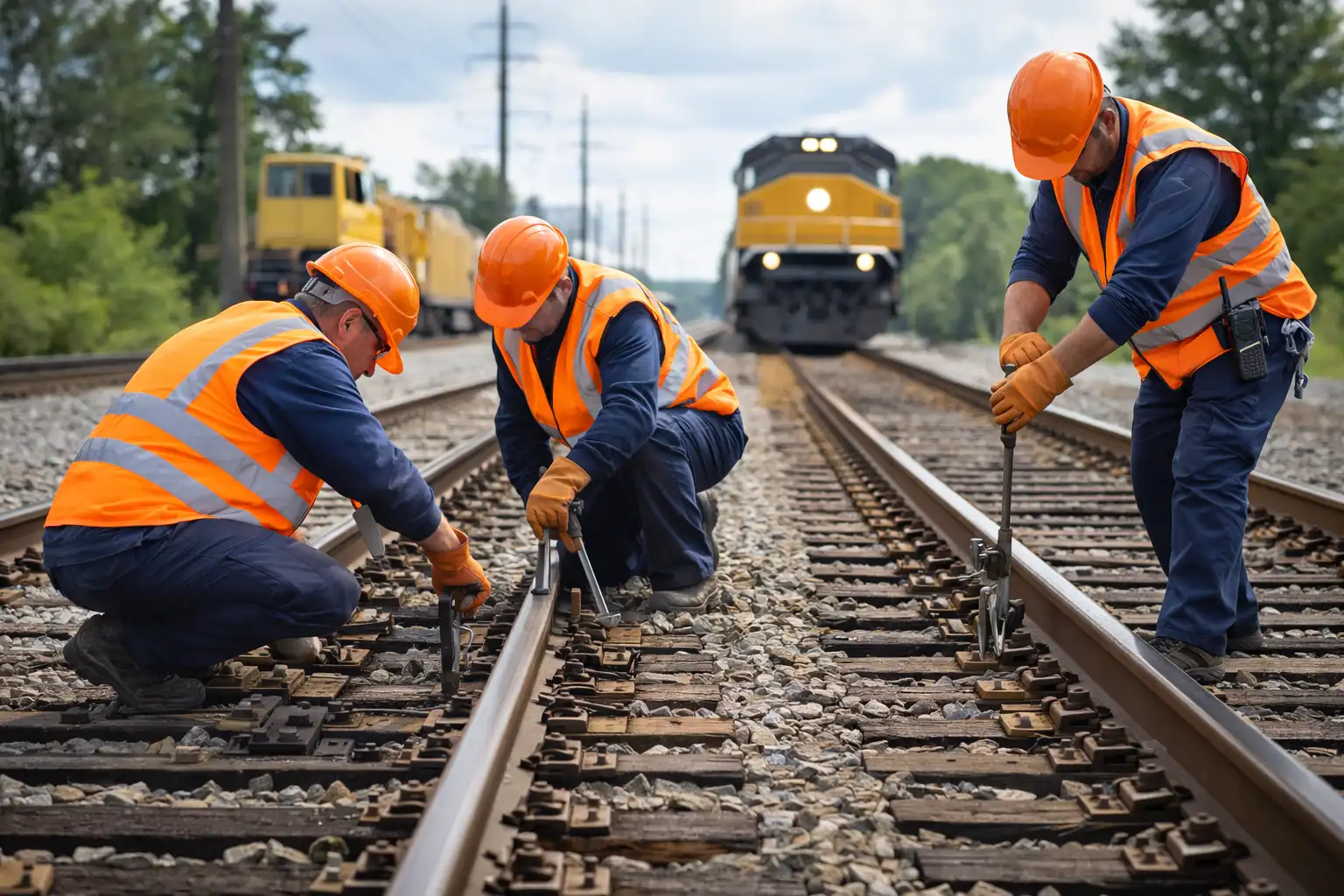
ISD-developed training built directly from your operating rules and procedures reduces interpretation risk while eliminating the recurring workload of rebuilding content internally.
Custom content updates driven by rule changes or bulletins are deployed faster, reducing exposure windows without pulling internal experts away from daily operations.
LMS-based delivery and qualification tracking provide a single source of truth, reducing administrative effort and simplifying audit preparation.
Microlearning and scenario-based refreshers reinforce critical rules without full classroom cycles, lowering training time while maintaining regulatory alignment.
Training consistently reflects current rules and procedures across all roles and territories.
Content maintenance no longer consumes scarce subject-matter expert time.
Qualification and completion data is immediately available for compliance review.
Recurrent training fits operational schedules without excessive classroom downtime.
Instruction covering GCOR, NORAC, and company special instructions to ensure consistent interpretation and application across crews and territories.
Aligned with: FRA 49 CFR Part 217
On-track safety principles, working limits, communication protocols, and worker responsibilities to reduce exposure during maintenance activities.
Aligned with: FRA 49 CFR Part 214
Proper radio procedures, job briefings, and communication clarity to reduce misunderstandings during train and roadway operations.
Aligned with: FRA 49 CFR Part 220
Training on protection of workers servicing rolling equipment to prevent unintended movement and worker injury.
Aligned with: FRA 49 CFR Part 218
Safe switching, inspection, and yard movement procedures reflecting real operational environments.
Aligned with: FRA Operating Practices
Periodic refresher training and assessments supporting ongoing qualification and documented oversight.
Aligned with: FRA 49 CFR Part 243
Learn how CPaT’s training solutions can support your organization’s
safety and compliance objectives.